LineCast

Guides

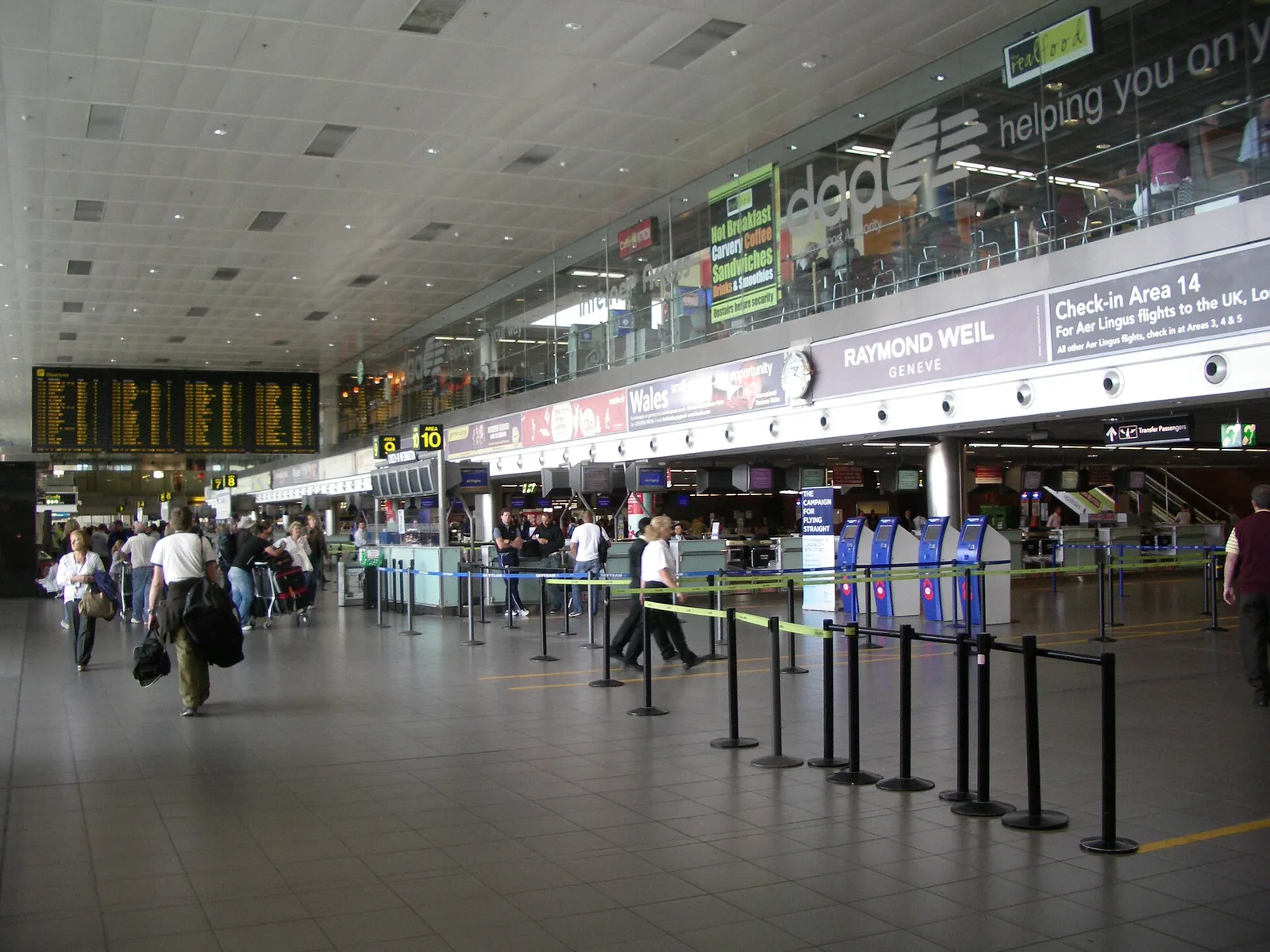
  • How do I take more liquids through airport security?

    Dublin lets you take 2 liters of liquid through security, with no clear bag and your laptop left in your bag. Here is why that is allowed, which other airports have followed, which ones still hold you to 100ml, and who switches next.

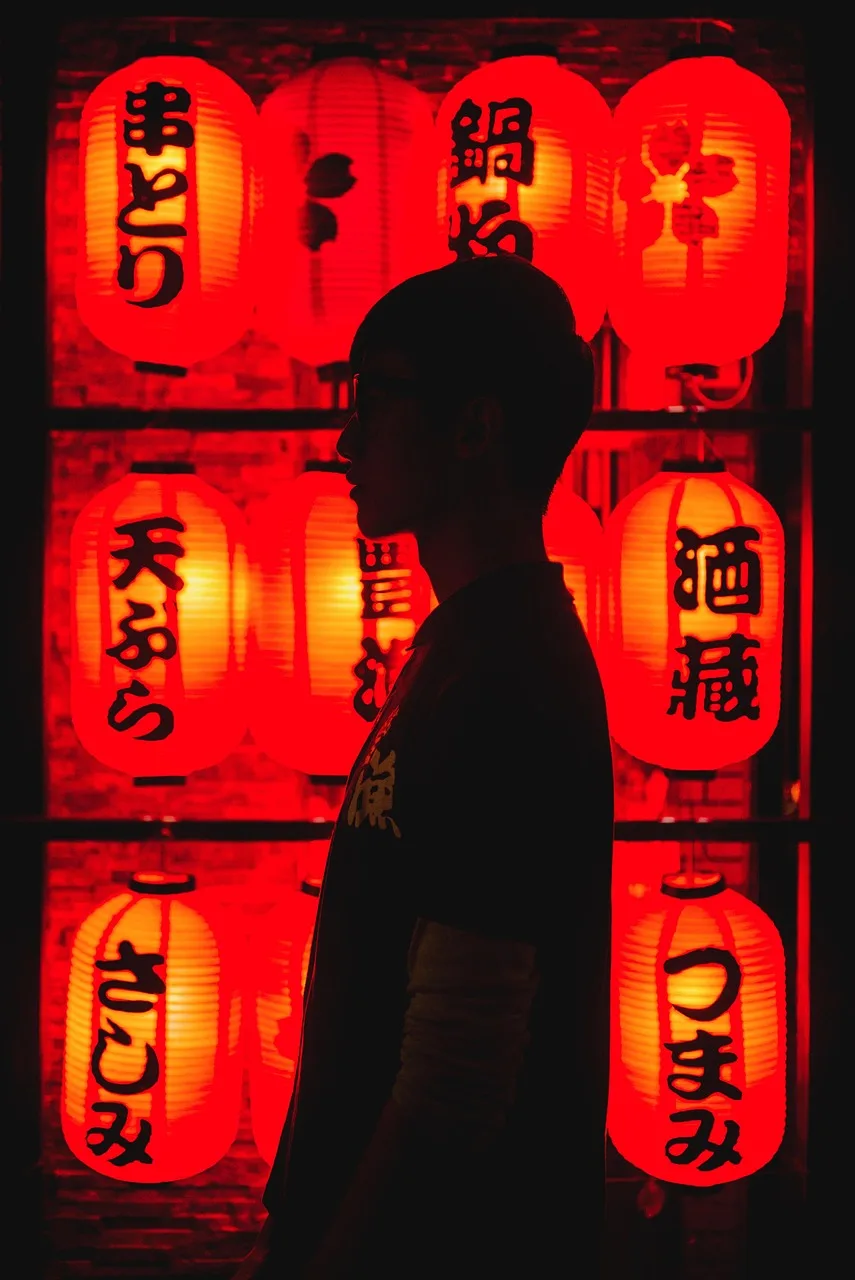
  • What Japan Actually Minds, and What Travel Blogs Invented

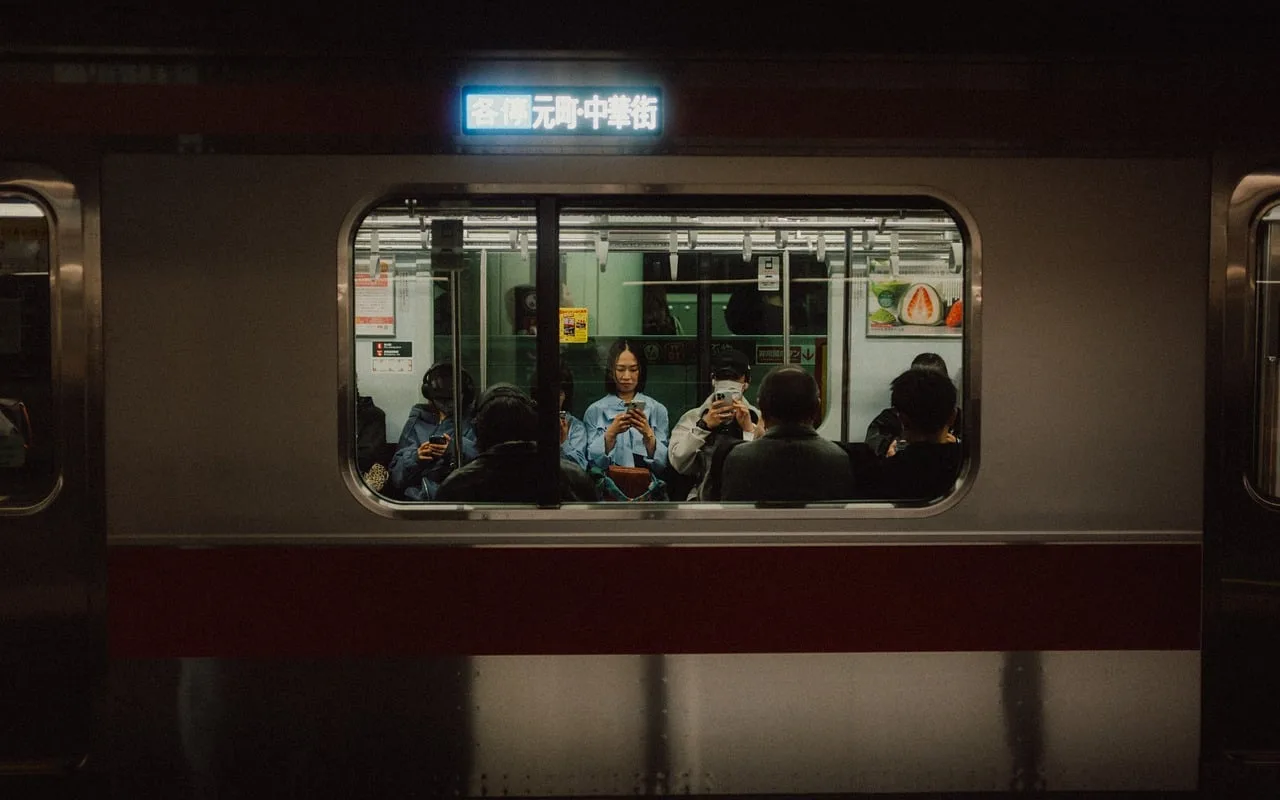
    The Kamakura ordinance that English-language guides call a ban on eating in the street bans nothing at all. Read the text and the worry turns out to be soy sauce on a stranger's coat. That gap, between what a rule says and what it becomes after three rounds of retelling, runs through most of what gets written about Japanese manners abroad.

  • The Bathroom Fittings Nobody Explains Before You Go

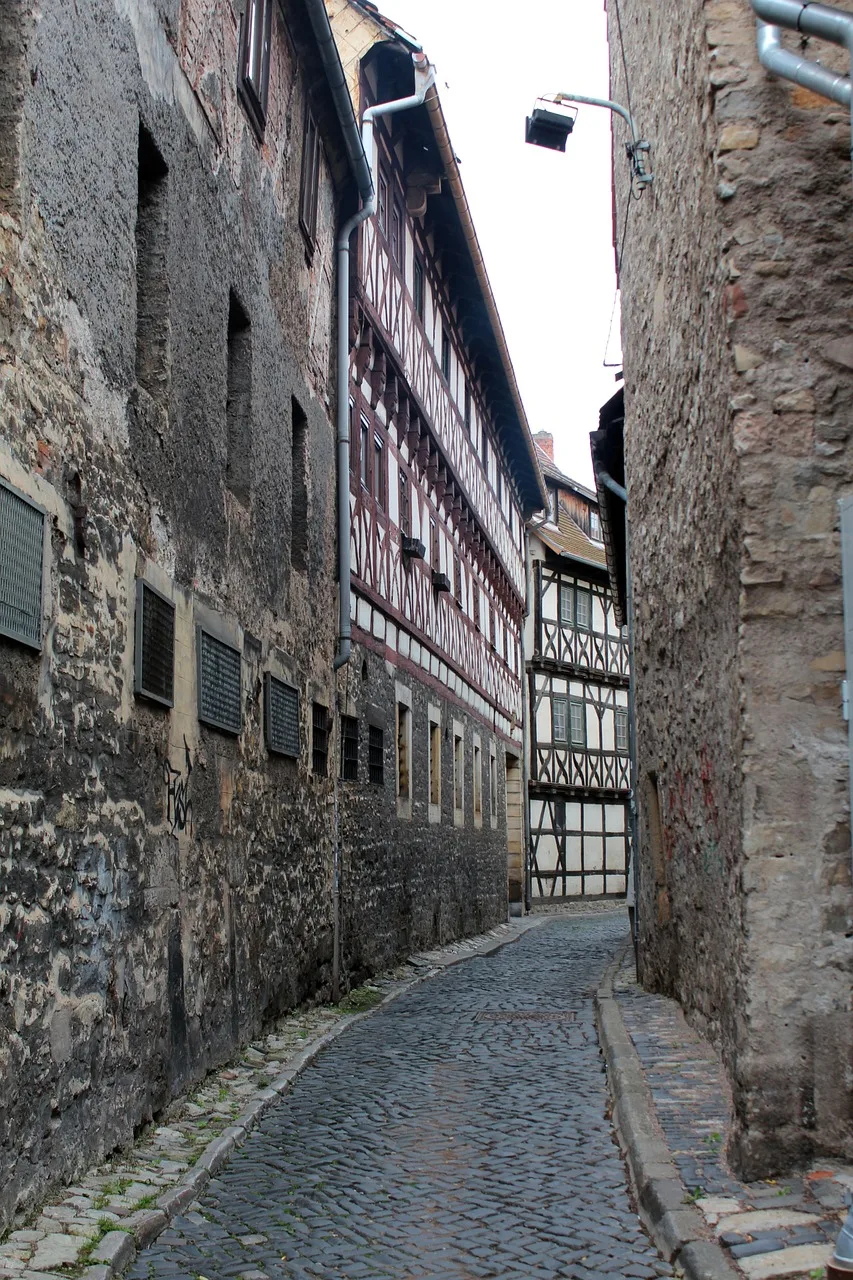
    In the law of England and Wales, hot water is officially slightly worse water. One line in a 1999 statutory instrument explains why the plumbing rules never wanted the two streams to meet, and it is not the strangest thing waiting in a foreign bathroom. A field guide to the bidet, the bum gun, the shelf toilet, the bin beside the loo, and the small folded cloth nobody ever explains.

  • Every Tourist Scam Is One of About Five Moves

    Czech law gives you three hours to undo a currency exchange. That right is a fossil: you can read the shape of the animal from the impression it left in the statute. Most scam advice is a list of thirty things you will have forgotten by baggage reclaim. The list is the wrong object. There are about five moves.

  • Whether You Must Carry Your Passport Depends on Which One You Hold

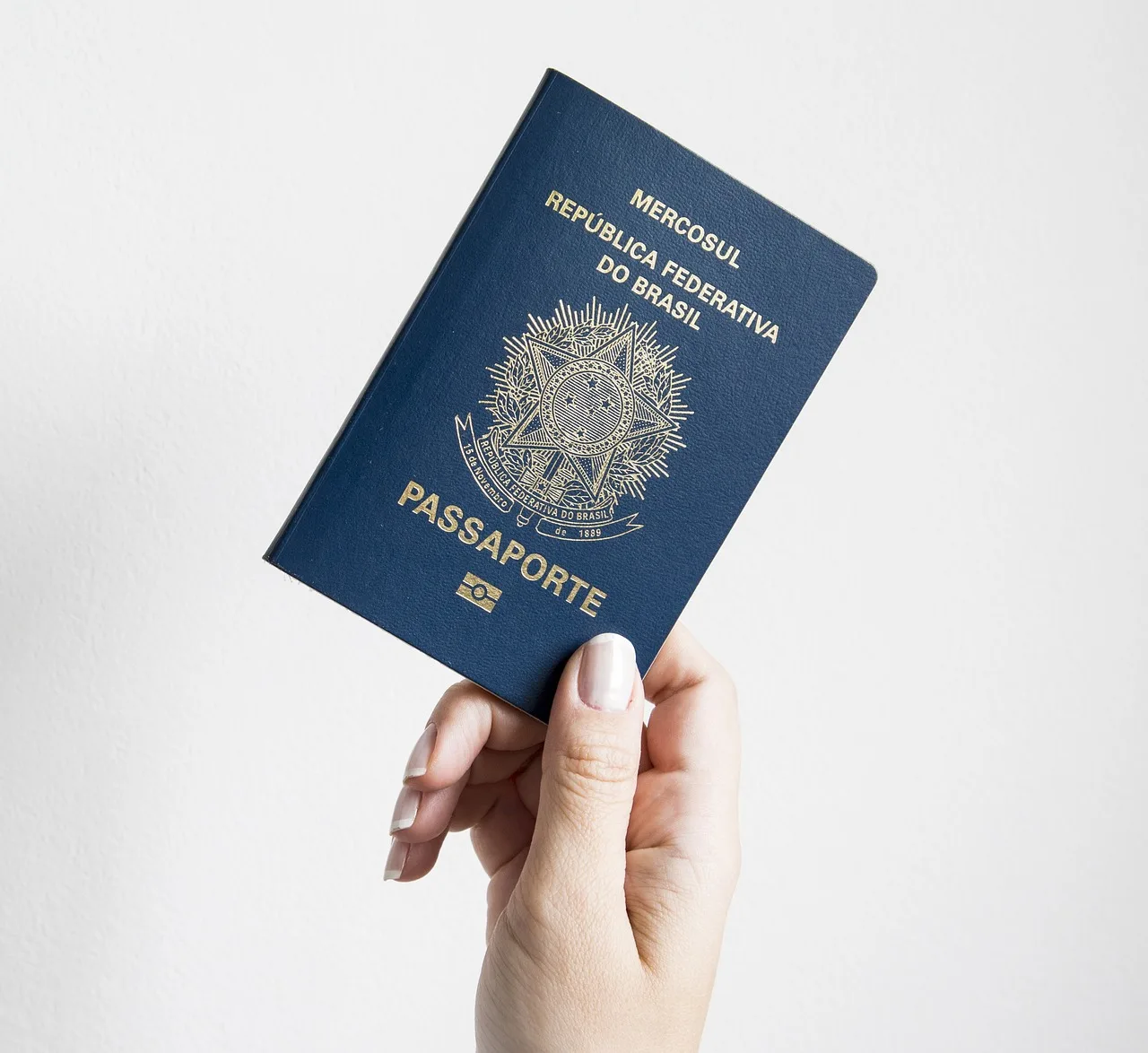
    Article 651 of the Italian penal code punishes refusing to tell a police officer who you are. It says nothing about producing a document. That gap runs through Italian, Spanish, German and Japanese law, and which side of it you land on depends less on where you are standing than on which passport you happen to hold.

  • How to Order Coffee in an Italian Bar Without Getting It Wrong

    The Italian bar runs on a sequence: pay at the till, take the slip to the counter, say the word again. Get that right and the rest is vocabulary. Two prices with regional statutes behind them, a city that calls espresso something else entirely, and the truth about cappuccino after eleven.

  • The Famous Sights Worth Skipping

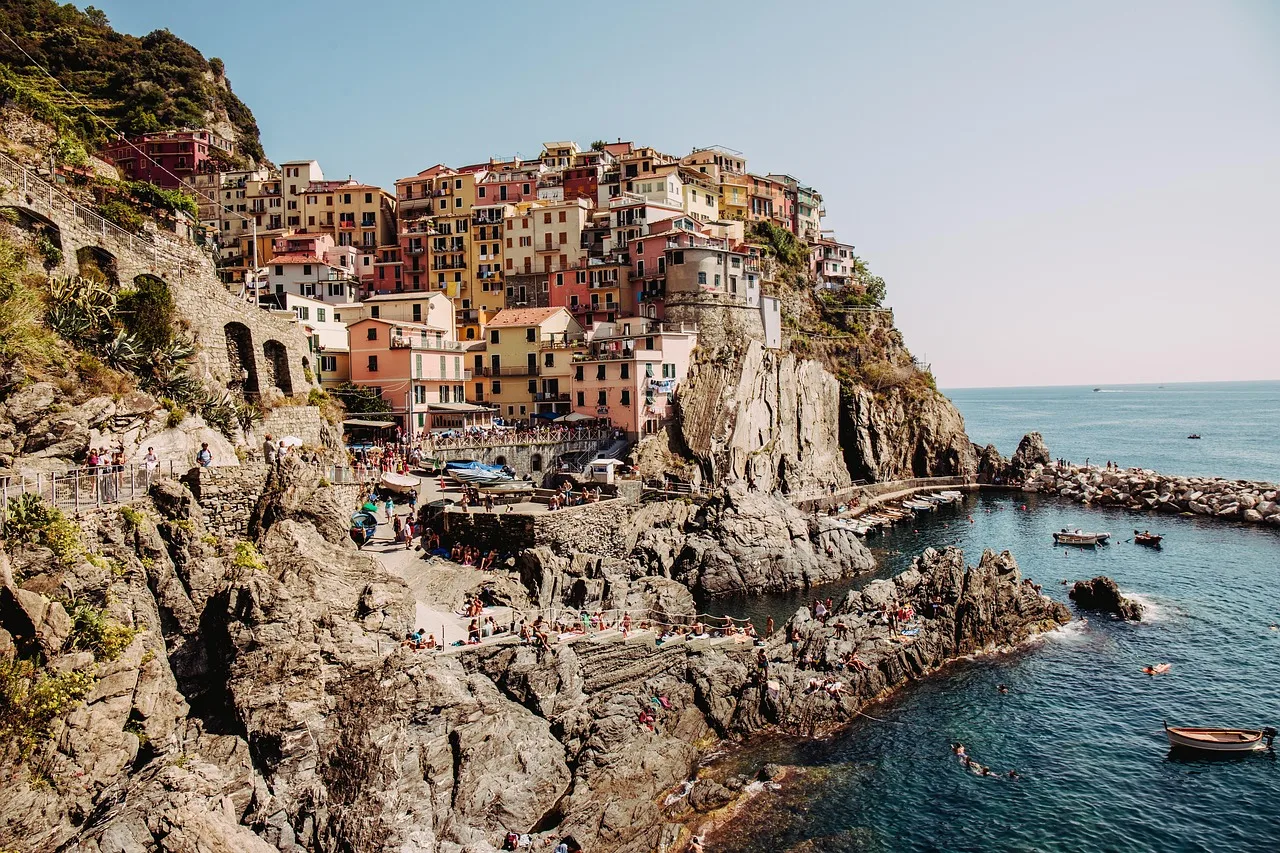
    The Cinque Terre National Park lets 200 people onto the Via dell'Amore every thirty minutes. The path is 900 metres long. A handful of famous sights have crossed the line where the logistics became the experience, and in almost every case the better version is a short walk uphill.

  • Spotting a Fake Rental Listing Before Your Money Leaves

    Spain's national short-term rental register was struck down three months ago, which is the article's own thesis arriving as a court judgment: a registration number is plumbing, not a safety guarantee. Revised against the fact-check, with the Spanish passage rewritten from the annulled consolidated decree, the review-detection claim split between two platforms that do not police it equally, and the Google reverse-image instructions matched to the help page they cite.

  • Germany Runs on Rules Nobody Hands You at the Airport

    On 1 August 2025 Bavaria became the last of Germany's sixteen states to write its own shop-closing law, which means there is no German shopping law. There are sixteen. Most of what visitors get wrong here follows the same pattern, including the famous afternoon quiet hours, which exist in federal law only for four pieces of garden equipment.

  • Always Say No When the Card Machine Offers Your Own Currency

    Edinburgh does not, and this is where the generalising usually goes wrong in the other direction. Sterling stopped being a member state currency in 2020, but the United Kingdom onshored the rule on the way out and then widened it.

  • Renting a Car Abroad Has Two Traps, the Permit and the Zone

    The Tokyo Metropolitan Police notice on International Driving Permits runs to one page and it is ruthless. A permit issued under the wrong treaty is void in Japan even when it is entirely genuine. That is the first trap. The second is a camera in a Tuscan side street that says nothing at the time and writes to you eleven months later, lawfully.

  • Eating Dinner Alone Without Feeling Watched

    All eight flagged problems fixed against primary sources I fetched and verified myself (unesco.at, Eurostat, korea.net, both spain.info pages, austria.info, ich.unesco.org, and the 22-page culture.gouv.fr PDF). The opening no longer claims a government body authored the coffeehouse line; the Eurostat passage now uses the page's own person-level figure (22.5% of adults); the Korea paragraph is attributed to the one named venue with its 2017 date; the unsupported evening-tapas advice is

  • The Small Things That Read as Rude in South Korea

    In June 2023 South Korea stopped defaulting, in its contracts and its official paperwork, to the age count its citizens had used for centuries. Nobody changed how they spoke the next morning. The manners that actually matter to a visitor are smaller than that, and mostly involve hands, floors and seats.

  • What to Do in the First Two Hours After You Land

    On 10 April 2026 the Schengen area stopped stamping passports. Twenty-nine countries switched to a database that wants different things from you than a bored officer with a rubber stamp did, and the first two hours after landing are now a short sequence of small, mostly irreversible decisions.

  • Old Tokyo Survives in Yanaka, and You Can Walk All of It in an Afternoon

    Yanaka's most famous building is a rectangle of stones in the grass. The tower burned in 1957, the alleys survived because nobody bothered to rebuild them, and since 2020 the neighbourhood has a rule book covering about a third of itself. A walking guide built around what is actually open.

  • The Order to Do Things In When Your Passport Is Gone

    The Australian Passport Office asks you to be sure before you call, because reporting a passport kills it permanently, even if you find it ten minutes later. That single fact reorders everything. Here is what actually comes first, and how the answer changes if your passport is British, American, Canadian, Australian or Irish.

  • The Ticket You Bought Is Not Valid Until You Validate It

    The little green-and-white box on the Italian platform has quietly changed jobs. It no longer only stamps paper: on a growing list of regional lines it reads a bank card, and the mistake that costs you money is no longer the one you make getting on. It is the one you make getting off.

  • Dinner Does Not Start When You Think It Does

    On the longest day of the year the sun stands directly over Vigo at twenty-three minutes to three in the afternoon. Spain has run an hour ahead of its own sky since a March 1940 order that was meant to be temporary. Correct six countries' dinner hours for the sun and Madrid, Rome and Tokyo sit down within five minutes of each other.

  • In Dubai, Good Manners and the Law Are the Same Thing

    The Jumeirah Mosque requires modest clothing and then keeps a rack of borrowed robes by the door for anyone who arrives without any. That rack explains Dubai better than any list of prohibitions: the emirate publishes its manners in advance, in English, and enforces a good number of them as criminal law.

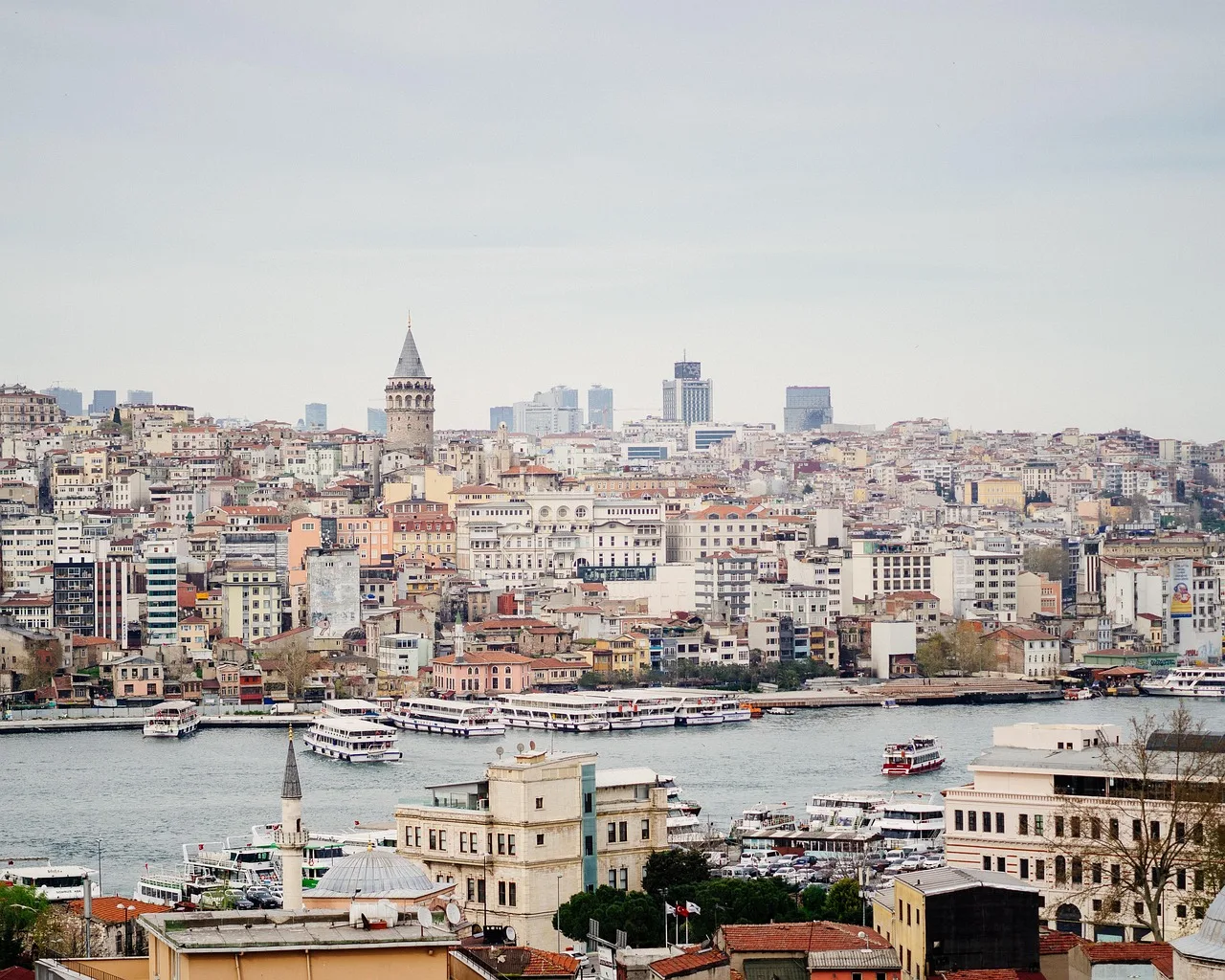
  • Most Visitors Never Cross to Kadıköy, and That Is the Whole Point

    In 685 BC a party of Megarians looked at two shores facing each other across a strait and chose the eastern one. Two decades later a second expedition took the western headland, and an oracle told them to build opposite the blind. Everyone knew who the blind were. The insult has outlived Greek, Latin and Ottoman, and it is still shaping itineraries.

  • Tipping Is a Set of Mechanics, Not a Percentage

    Congress never wrote $2.13 into the Fair Labor Standards Act. The statute pays a tipped worker whatever the cash wage was on 20 August 1996, and the Labor Department had to gloss that date with the number in square brackets. A date was frozen, not a figure. That is the shape of tipping everywhere: a mechanism rather than a percentage.

  • English Will Carry You Further in Oslo Than in Osaka

    Norway has 1.8 per cent of adults reporting no foreign language at all. Japan's own ministry finds fewer than a quarter of public-school leavers at the level where a conversation survives a surprise, and only 17.2 per cent holding a certificate to prove it. Same problem, two completely different fixes, and the greeting is only one of them.

  • That Registration Number in the Listing Is Not Decoration

    New York's enforcement office checked the listings attached to its own approved registrations and reckoned about one in five was still advertising a stay the registration did not permit. The number in the listing is a claim, and it is the only claim in the whole advertisement you can independently check.

  • Haggling Without Insulting the Person You Are Haggling With

    Turkey, Morocco, Egypt and Vietnam all have laws requiring sellers to display their prices. So does the EU, and so does Japan in practice. The line between a market where you bargain and a market where you do not is not drawn at any border. It runs between an object that has been declared and an object that has not.

  • How to Get Out of a Scam That Has Already Started

    The Questura di Firenze has published a physical description of the fake policeman's badge: round, plastic, the word POLICE or INTERNATIONAL POLICE stamped on it. Their advice is not to inspect it more carefully. Most scam advice is written for the minute before. This is about the minute after.

  • Euljiro After Dark Is Where Seoul Actually Drinks

    The snack that gave Euljiro Nogari Alley its name is a fish Korea no longer catches, for reasons its own scientists still argue about. The permit that put the alley's tables in the roadway expired in November 2022 and has never been renewed. What happens when Seoul's printing district clocks off, what the district office did about it, and how to order anyway.

  • In Thailand, Some Etiquette Breaches Are Criminal Offences

    In 2011 a Thai culture official said that tattooing religious images was not yet illegal under Thai law. Fifteen years on, it still isn't. The Buddha tattoo rule belongs to the neighbours. Thailand's real offences are drier, more specific, and published by the state in places anyone can read.

  • Two-Factor Codes Are How People Get Locked Out Abroad

    NIST's digital identity guidelines cover passwords, code apps, hardware keys, passkeys and biometrics. Exactly one method has been put in a category of its own and labelled restricted: the text message your bank sends you. Here is what happens to that message once you cross a border, and what to move before you go.

  • The Gestures That Are Friendly at Home and Obscene Somewhere Else

    Winston Churchill invented the modern meaning of the V-sign and still needed staff to tell him he was doing it obscenely. That is the honest starting position for anyone reading a list of gestures to avoid abroad. The lists are confident about the items that have quietly changed meaning, and silent about the ones that never change at all.

  • Why Locals Buy Bottled Water Where the Tap Is Perfectly Fine

    The Trevi Fountain does not run on drinking water. The nasone two streets away runs on exactly what comes out of a Roman kitchen tap. One neighbourhood, two legal categories, nothing on the surface to tell them apart. That gap is where the whole tap water question actually lives, in Munich and Mexico City as much as in Rome.

  • Kazimierz Once the Day Trippers Have Gone Home

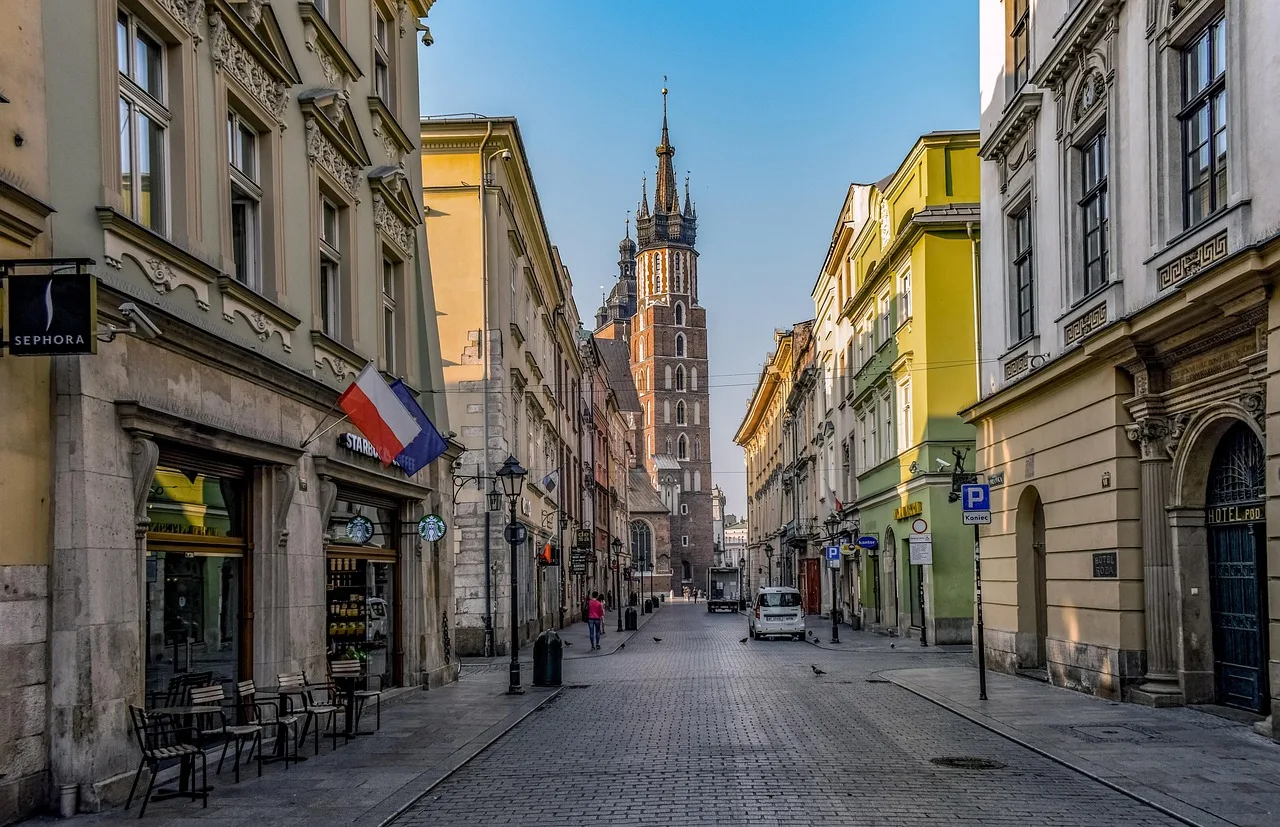
    The Kraków ghetto was never in Kazimierz. It was across the river in Podgórze, and the gate everyone photographs on Szeroka Street was built by a film crew casting the street as a square a kilometre away. What is actually under your feet in Kazimierz is older, stranger and mostly still in use, and it reads best after the coaches have gone.

  • Bangkok's Commuter Boat Beats a Taxi, If You Know Which Flag to Board

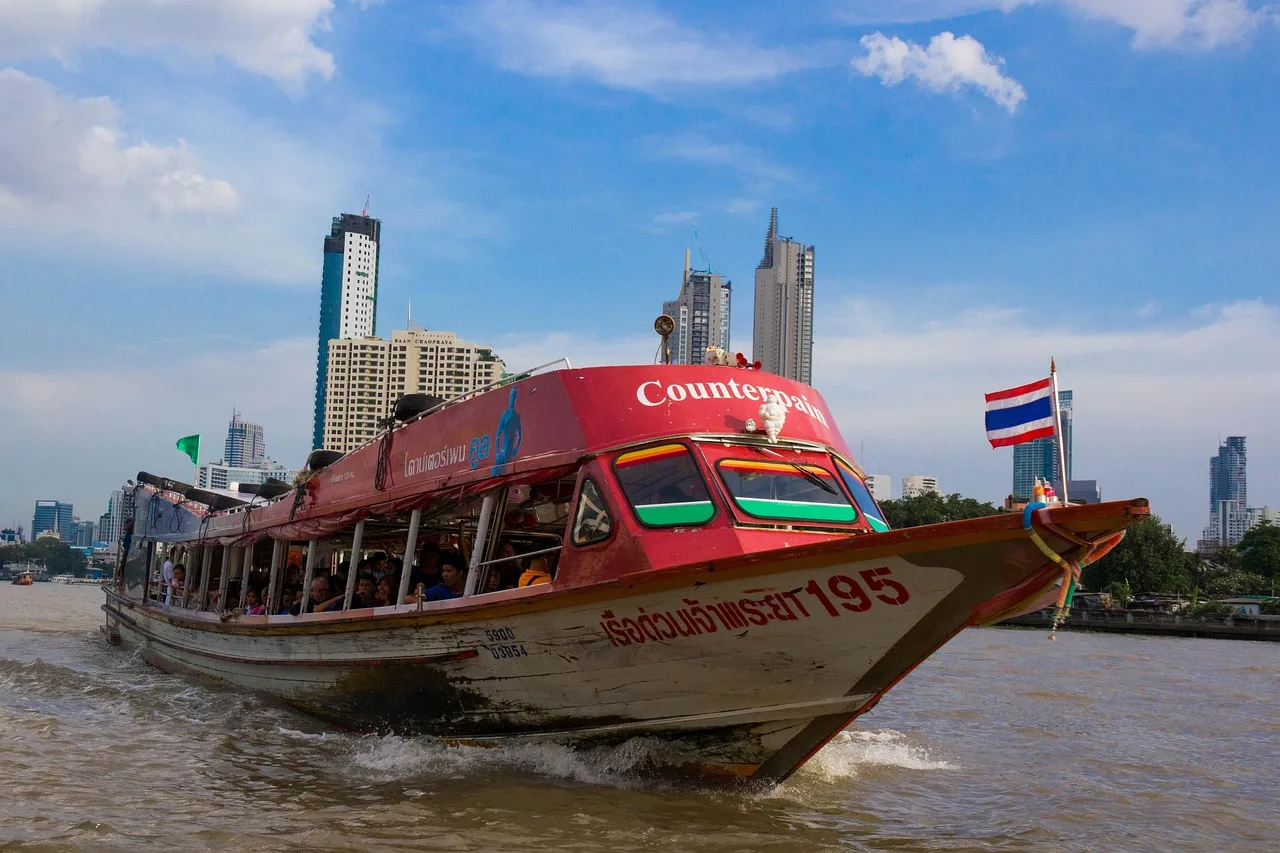
    The company that runs Bangkok's river buses lists five lines. Beside the fifth, the plain local boat with no flag, sits a note in brackets: temporarily suspended. Most English-language advice about the Chao Phraya still tells you to look for that boat. Here is what actually runs, which flag to board at which hour, and when the water genuinely beats the road.

  • Why Barcelona Is Tired of Visitors, and How Not to Be the Reason

    Barcelona once had one of its own bus routes deleted from Google Maps. The 116 still runs, same route, same timetable. It is simply no longer recommended to anyone who does not already live along it. Almost everything the city has done since works the same way, and reading it properly tells you how to visit without being the problem.

  • When an Apartment Beats a Hotel, and When It Quietly Does Not

    American disability law contains, by accident, the sharpest description of what separates a hotel from a holiday flat: a two-prong test in 28 CFR 36.104, and four factors underneath it about walk-ups, housekeeping, and buying a room type rather than one specific door. Where that trade pays, where it quietly does not, and the division you should be doing before you book.

  • Mumbai's Local Trains Are Fine at the Right Hour and Not at the Wrong One

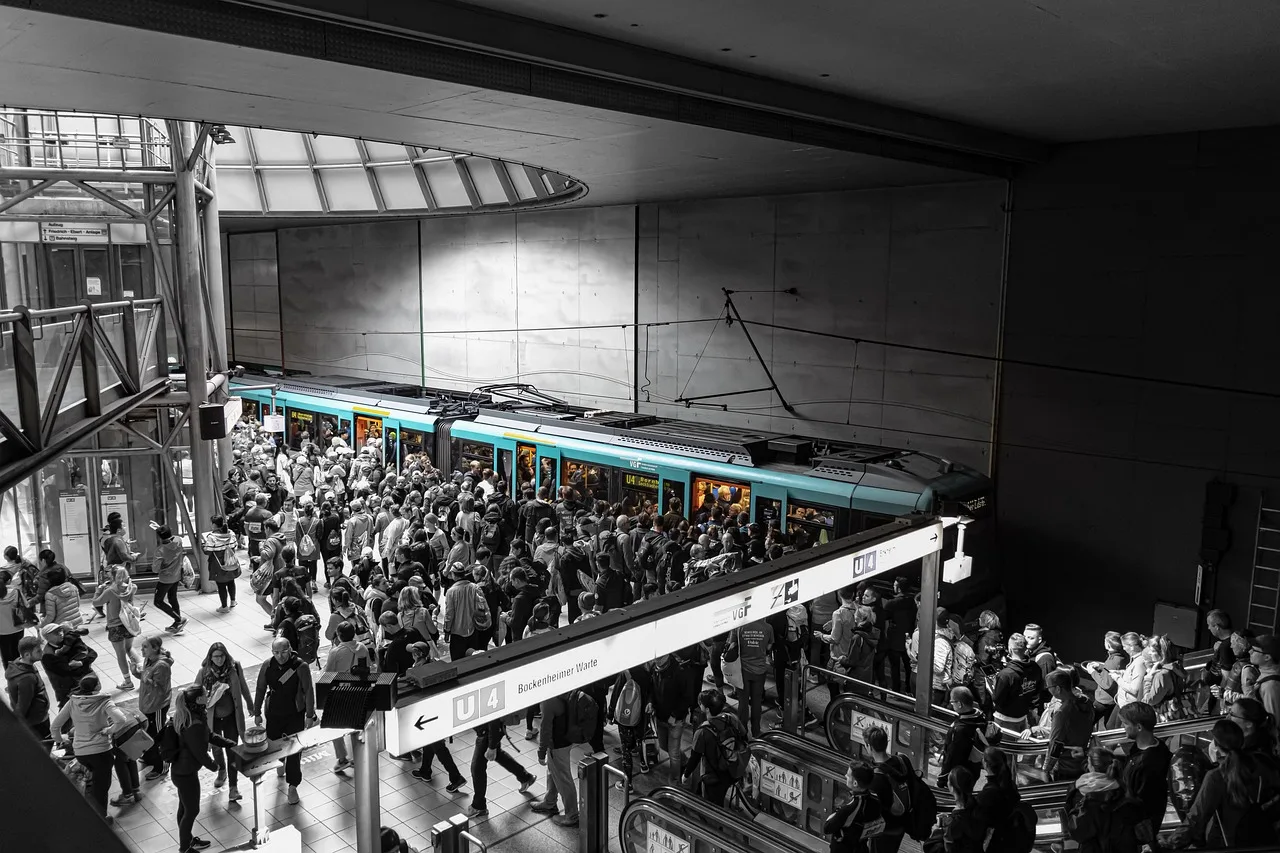
    A World Bank loan file once recorded Mumbai's commuter trains carrying eleven people per square metre, with doors that could not close. That is accurate for about four hours in each direction, morning and evening. The rest of the time it is a cheap, fast, sea-breeze railway, and the difference is the hour and the way you are facing.

  • Ordering in a British Pub Without Anyone Having to Explain It to You

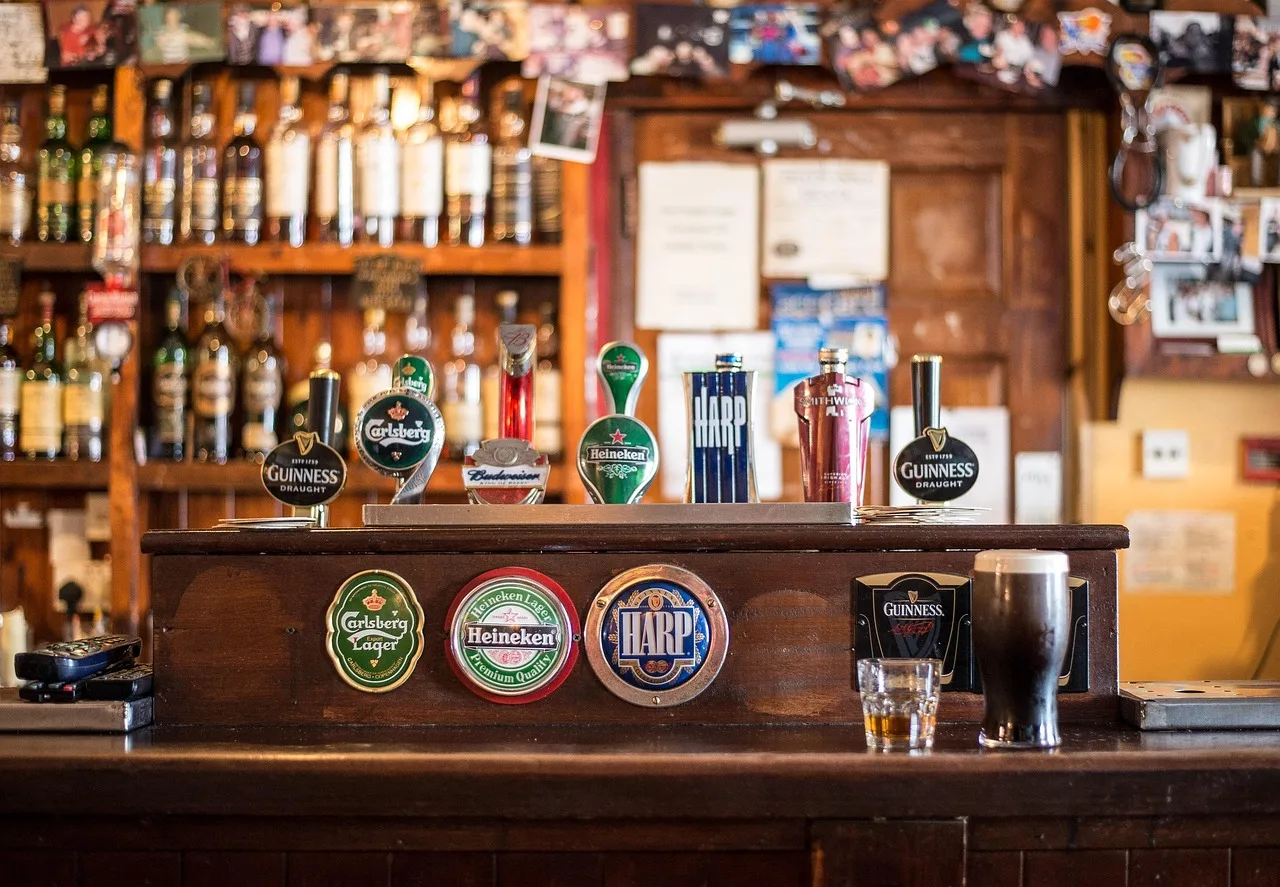
    There has been no national closing time in England and Wales since November 2005, and yet at around eleven someone still rings a bell. That is the pub in one gesture: the things that feel like rules mostly are not, and the things that genuinely are rules are never the ones anyone warns you about.

  • Eating Across Roma and Condesa Without Booking Anything

    Avenida Amsterdam is an oval because horses used to run on it. The neighbourhood built inside that racetrack, and the grid next door, hold a full day of eating that takes no reservation at all. The constraint is not access. It is the hour you show up.

  • When to Put the Camera Down

    At Auschwitz, photography is prohibited in exactly two interiors. Almost everything else the museum's regulations forbid concerns your voice, your body and your captions. That ratio holds nearly everywhere cameras cause trouble: the rule is hardly ever about the lens.

  • A Second Trip to Rome, Once the Colosseum Is Behind You

    Monte Testaccio is thirty-five metres of deliberately stacked rubbish: broken olive-oil jars from Andalusia, dressed with lime so the heap would neither stink nor slide. It is also the key to a second visit to Rome, the one that skips the emperors and goes looking for the port, the burial ground run by ambassadors, and the parish church nobody charges you to enter.

  • Cash or Card Is a Different Question in Every Country

    On 28 May 2026 Sweden, the country produced as proof that cash is finished, passed a law ordering grocery shops and pharmacies to accept it. The duty took effect in July, stops at 25 coins, and comes with nobody appointed to police that half of the act. Cash and cards are not one global question with one answer, and the national differences are stranger than the national reputations.

  • The Georgian Supra Has a Toastmaster, and He Decides When You Drink

    The word tamada is not Georgian, and it does not appear in the written record before the nineteenth century. The feast it governs, however, is entirely real, runs for hours, and has a rule about when you may lift your glass. Learn the rule and the evening opens up.

  • How a Rio Beach Day Works, Chair by Chair

    Rio's beaches are divided into circles. Every licensed chair operator answers for a disc of sand whose radius is half the distance to the next one along, 25 metres where there is no neighbour. What looks like a cheerful free-for-all of striped umbrellas is a surveyed grid with rules, paperwork and a number on every stand.

  • Getting Into the Church, Mosque or Temple You Travelled to See

    Rome wants your head bare and bans hats outright. Abu Dhabi requires a woman's hair fully covered. A London gurdwara requires every head covered and warns that a cap will not do. Casablanca's published rule says nothing about hair at all, and Bali's live circular is less about cloth than about which zone you are allowed to stand in.

  • Getting From the Airport Into Town Without Being Taken

    Cairo's airport says on its own website that tourists are targeted by drivers in the arrivals hall. Bangkok publishes the floor and the gate numbers where its taxi desk sits. Rome fixes a fare to anywhere inside a Roman wall, and voids it if you ask for one stop. Three airports, three different price mechanisms, and one document almost nobody reads.

  • Walking George Town in the Cool Hours and Eating in the Hot Ones

    The sun does not stand over George Town at noon. Malaysia keeps its clocks at UTC+8, a meridian nearer to Manila than to the Strait of Malacca, so solar noon lands between about five past one and half past. Every inherited rule about avoiding the midday sun is displaced by over an hour, which changes how a Penang day should be built: the arcade first, a roof in the middle, the wok last.

  • Prices Without Tax and Other American Habits That Confuse Visitors

    On 30 June 2024 the last refund desks of Louisiana's Tax Free Shopping programme closed, and with them the closest thing America ever had to a VAT refund. Which leaves the original problem intact: the number on the shelf is not the number you pay, and nobody behind the counter finds that strange.

  • Nairobi Runs on Matatus, and They Have Rules

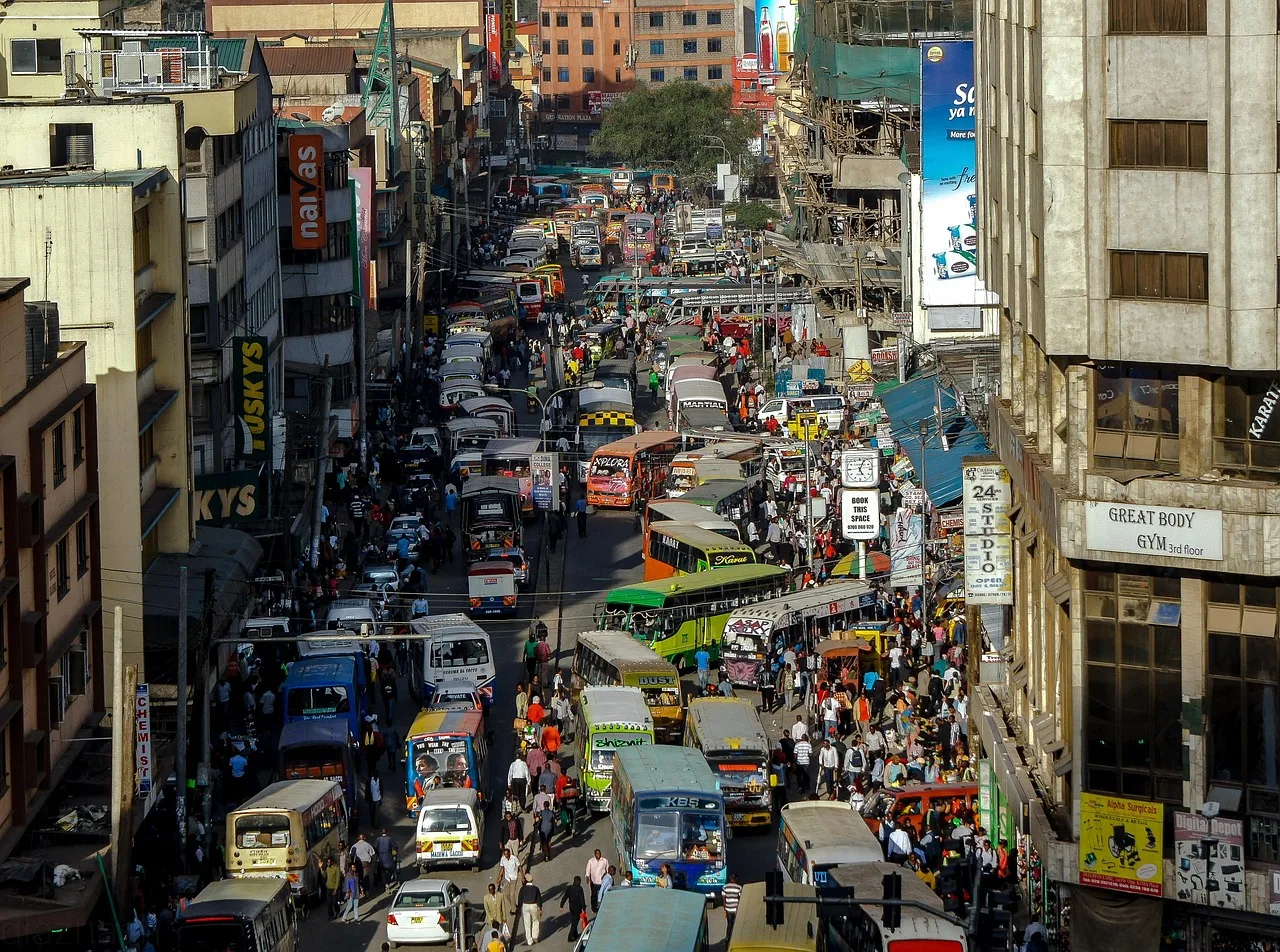
    Kenya Bus Service did not win Nairobi. It was handed the city in 1934, and the vans that undercut it stayed illegal for twenty years before they became the transport system. What survives is a network carrying more written rules than almost any vehicle in Kenya, plus a set of unwritten ones that actually govern your ride.

  • Where to Eat in Lima When the Famous Places Are Booked Out

    Avenida Pedro de Osma 301 in Barranco is one street number with two of the most contested dining rooms in South America behind it. Both publish exactly how to get in, and the answer is a diary, not a door policy. Which matters less than it sounds, because Lima's real culinary argument happens at lunchtime, in rooms with laminated tables.

  • What Visitors Keep Getting Wrong in Poland, Czechia and Hungary

    The UN files Czechia, Hungary and Poland under Eastern Europe. Their own intergovernmental group calls the place central Europe. That gap is where the mistakes start: three currencies that round differently, three tipping conventions, two zero-tolerance drink-driving limits and one that is not, and a currency booth in Prague you are legally allowed to walk back into.

  • Bo-Kaap Is a Neighbourhood Where People Live, Not a Colour Palette

    For forty years the museum at 71 Wale Street told visitors it was Abu Bakr Effendi's house. It was not. It belonged to a family who were evicted in the 1970s so the building could open as a museum about their culture. The museum now says so on the wall. That is the most useful thing in the Bo-Kaap, and it is not really about one address.

  • A Week in a Medellín Apartment Is a Different City From a Week in a Hotel

    Medellín's address system is famously legible, except in Laureles, where the city renamed 55 streets and left every house number exactly where it was. That is the smallest of the differences between renting a flat there for a week and checking into a hotel. The others involve your neighbours, a registry number, a utility bill and a meter.

  • Jordanian Hospitality Is Generous and Slightly Binding

    At a Jordanian reconciliation ceremony, the decisive act is a cup of coffee that nobody drinks. It sits there, full, doing the talking. That is the far end of a system whose near end you will meet within a day of arriving: the tea you cannot refuse, the compliment that costs your host a vase, and the shake of the wrist that ends it all.

  • Why the Water and Bread Appeared on Your Bill in Europe

    In Rome, the coperto is against the law. Lazio's regional statute forbids it in plain Italian, and consumer groups say restaurants print the same charge as servizio instead. That trick explains almost every small line at the bottom of a European bill, and it explains the water nobody ordered.

  • Plan the Trip So You Are Not Wrecked by Day Four

    In 1916 a curator photographed a man crouching, stooping and craning in front of museum cases, and concluded that visitor exhaustion was a problem of cabinet height rather than character. The same diagnosis applies to most itineraries. You are not short of stamina. Your schedule is built wrong.

  • Which Emergency Number Works Where You Are Standing

    Japan runs three emergency numbers, and the third one belongs to the Coast Guard. Ireland's own emergency service says flatly that 911 is not valid there. Whether a phone with no SIM connects at all is decided country by country. What the number reaches, and what the call taker needs from you first.

  • The First Hour After Your Phone Is Stolen

    Apple's own instructions for a stolen iPhone contain a line that sounds like a mistake: you don't need a verification code to sign in and lock it. That single carve-out is the difference between a bad afternoon and a ruined trip, and it is only useful if you know it before you need it.

  • What to Download Before You Fly, and What Can Wait

    There are two rules in the air, and the one aeroplane mode is named after is a telecoms rule protecting the network on the ground, not an aviation one. Either way, for a few hours your phone is an offline computer. What is on it is what you get, and most people load the wrong things.

  • How to travel Europe with one carry-on bag

    My family used to need a luggage cart to get through an airport, and most of what we hauled never got used. One book changed that, and a lot else about how we travel.