How to Order Coffee in an Italian Bar Without Getting It Wrong
LineCast Networks
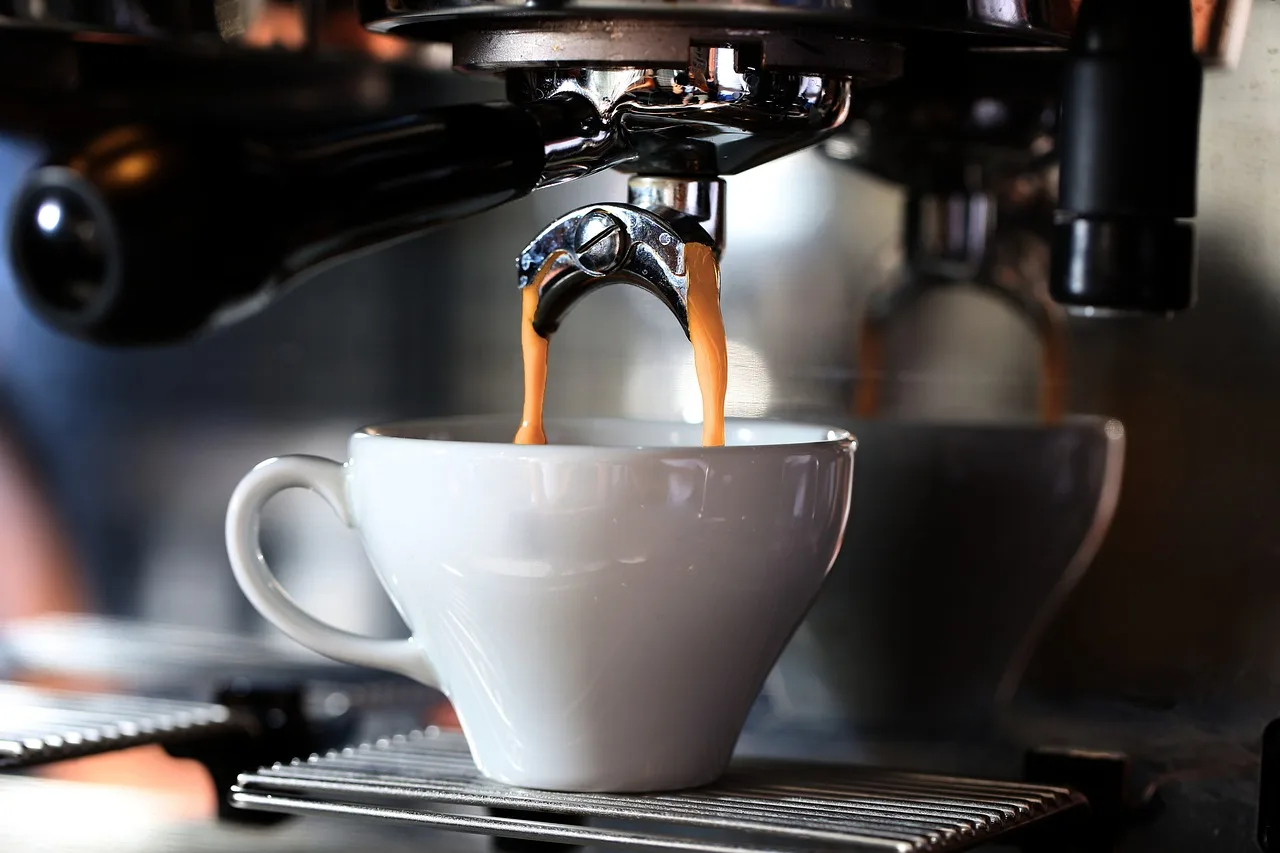
The Italian bar is not a bar in the English sense. It sells coffee at seven in the morning, sandwiches at one, and something with Campari in it at seven in the evening. For most of the day its centre of gravity is a metal counter about a metre deep with people standing at it. The machine hisses and knocks. The barista has four cups going and will not slow down for anyone. Nobody is being rude to you. The room is simply fast, and speed has a grammar.
Learn the grammar and the whole transaction takes ninety seconds. Miss it and you stand in the middle of the floor holding a banknote while a queue forms behind you.
The till comes first, except when it doesn't
In a great many bars, particularly in stations, airports and the more upmarket bars in cities, you pay before you drink. Your first stop is la cassa, the till, where you name the drink. You hand over the money and receive a small printed slip. You then carry that slip to the counter, il banco, put it down where the barista can see it, and say your order again. The Open University's beginners' Italian course teaches this as a set piece, right down to the fact that the order gets spoken twice, and notes the signs that spell it out. The wording the course gives is "Si prega di fare lo scontrino alla cassa", which asks you to obtain your receipt at the till first.
The slip is still universally called lo scontrino, though technically it has not been one for years. Italy moved retail takings onto electronic transmission to the tax agency, and since the start of 2021 what the machine prints is a documento commerciale, which the Agenzia delle Entrate is careful to point out carries no fiscal value for the customer. There is an escape hatch nobody in a bar queue uses: ask at the moment of the sale and have your codice fiscale printed on the slip, and it becomes a documento commerciale valid for tax purposes, good for income-tax deductions. Otherwise it is a proof of purchase and, in a bar, a token you trade for coffee. Nobody calls it a documento commerciale. Everyone calls it a scontrino.
The sequence is not universal. In smaller places you may instead order at the counter, drink, and settle on the way out, and in smaller towns and rural areas the Open University notes that a single price list is the norm, with no surcharge for sitting down. There is no reliable rule for telling which kind of place you are in, so use the two tells that work: look for a sign or a cash register with a queue at it, and watch one local person do the whole thing before you commit. Thirty seconds of observation solves it.
Two prices, and the statutes behind them
Many bars in Italian towns run two price lists for the same cup: one for drinking standing at the counter, one for sitting at a table. The gap is small in a residential neighbourhood and startling in a piazza with a monument in it. The difference is posted, legal and structural rather than a trick played on foreigners, and it is the reason the coffee costs what it costs when a waiter brings it to you at a table with a view.
The duty to post prices is long-standing, running through the 1998 retail decree and the consumer code for shops, and through regional law for bars and restaurants, and it carries a specific consequence: a price clearly displayed and accepted is the contract. The counter-versus-table distinction is spelled out at regional level. Veneto's law on food and drink service requires establishments to display the price of consumptions "with the indication of the service offered, at the counter or at the table", clearly, legibly, and visible to the public, including from outside the premises, during opening hours. Lazio is more prescriptive still. Under its 2019 commercial code, where service is at the table the list has to be put in front of the customer before they order and has to disclose any service component. A separate clause bans the coperto outright and not only at tables: Nella somministrazione è vietato applicare costi aggiuntivi per il coperto.
The coperto is widely misunderstood. Lazio bans it. The prohibition is a regional one, and outside Lazio a posted cover charge is widely treated as legitimate. The practical instruction is the same either way. Read the board before you sit down. If a place with tables on a famous square has no visible list, that absence is the information.
One word does almost all the work
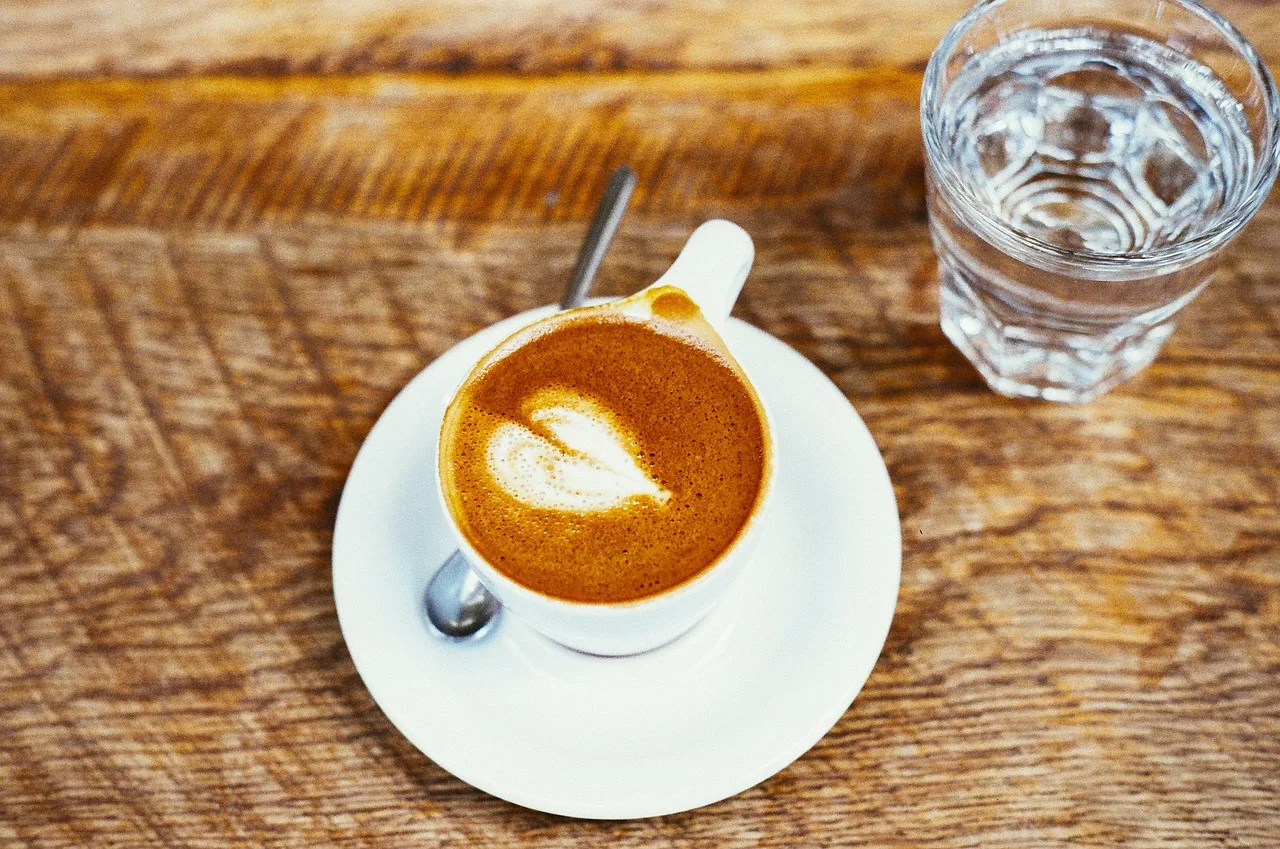
Say un caffè and you will be handed an espresso. Not a category, not a starting point for negotiation: a specific object of roughly 25 millilitres under a hazel to dark brown crema, which is how the Istituto Nazionale Espresso Italiano defines the certified article after a three-year study of what people actually expect when they order one at a bar. The same body fixes the certified cappuccino at 25 millilitres of espresso and 100 millilitres of steamed milk, which is a smaller drink than most of the world's cappuccinos and explains a lot of disappointed faces.
Everything else is that word plus a modifier, and the useful modifiers number about ten.
Macchiato means stained. An espresso with a spoonful of milk in it. Ask for it caldo or freddo if you care whether the milk is steamed or cold. Latte macchiato inverts the ratio: milk, stained with coffee. Do not order "a latte" expecting coffee, because latte is simply the Italian for milk, and in a bar that does not deal in tourists you may get exactly that.
Ristretto and lungo are the same dose of ground coffee with less or more water pulled through it, shorter and denser or longer and more bitter. Doppio is two shots. Corretto is corrected, which in practice means a slug of grappa or sambuca. Deca is decaffeinated. Caffè d'orzo is roasted barley with no coffee in it at all, and is ordered without embarrassment by adults. In hot weather cold versions appear on the counter: espresso poured over ice, or the shakerato, shaken with ice and sugar until it foams.
Then there is the marocchino, which the city of Alessandria has formally claimed as its own. The municipal record puts its birth at the Bar Carpano in the years after the Second World War, across the street from the Borsalino hat factory, and says the name most likely comes from the light tan of the drink matching morocco leather, the fine skin used for hat bands. Espresso, cocoa powder, frothed milk, served in a small clear glass so the layers show.
Trieste speaks a different language
None of the above survives contact with Trieste. In Trieste an espresso is a nero. Ask for a cappuccino and what arrives is a macchiato. Ask for a caffè macchiato and the milk turns up separately and cold, in a little jug alongside the cup. The drink the rest of the world calls a cappuccino barely exists there, and the nearest thing on the local menu is a caffelatte.
A capo is a hot espresso macchiato, and the word is short for cappuccino even though the drink is not one. Add in b, for bicchiere, and it arrives in a small glass rather than a cup, which is how a great many Triestini take it. There is also a gocciato, an espresso with a single drop of hot milk foam in the middle. The writer Mauro Covacich, quoted in Gambero Rosso's guide to the city's vocabulary, makes the point that the interesting thing is not the quality of the blends but the sheer number of ways to specify a cup, and the misunderstandings that follow. He describes an order arriving at the machine as one shouted compound word: nerooogocciaaadecacapoinbì.
The lesson generalises. Italy does not have a single coffee vocabulary any more than it has a single dialect, and the way to find the local one is to listen to the person in front of you in the queue.
The eleven o'clock rule, examined
Here the research does not support the folklore as firmly as the folklore would like. There is no rule against ordering a cappuccino in the afternoon. The Italian coffee trade press is blunt about it: nothing forbids it, baristi make it without comment, and nobody will refuse. What exists is a convention, and it is a real and consistent one. For most Italians the cappuccino belongs to breakfast, usually with a pastry, and after lunch or dinner the cup is an espresso, which functions as the full stop at the end of a meal rather than as a drink in its own right.
The usual justification, that milk sits badly after a heavy meal, is a sincere and widely held belief rather than a medical prescription. Eleven o'clock is a number that got attached to the habit somewhere along the way and hardened into a law that was never passed.
So order the cappuccino at three in the afternoon if you want one. Just understand that you are making a small statement about yourself, in the same register as ordering a dessert wine with your steak. It is legible, it is harmless, and it is noticed.
Why standing is the point
The counter is the institution itself, and the lower price is incidental to it. You come in, you say a word and a half, the cup arrives, you drink it in two mouthfuls while reading a headline over someone's shoulder, you say grazie and leave. The entire encounter is designed to be repeatable four times a day for forty years.
Naples added the most generous possible extension of that logic. The caffè sospeso is a coffee paid for and left waiting at the bar for whoever comes in next and cannot pay for one. Where it came from is genuinely unsettled: the Neapolitan cultural magazine Storie di Napoli calls the origin uncertain and sets out three accounts, one going back to the nineteenth-century street sellers of coffee and milk, one from the writer Riccardo Pazzaglia placing it in the ritual argument among friends over who settles the bill, with the overpayment left behind for a stranger, and one in the hunger of the Second World War, when those who had it bought a cup for those who did not. What is not contested is what the custom implies about the room: a counter where the same people appear every morning is a place with a memory, and it can be asked to hold something on account.
Sources
- Beginners' Italian: food and drink, section 3, Ordering and paying: the pay-at-the-till sequence, the scontrino, the wording of the signs, the upmarket-bar pattern, and the single price list in smaller towns and rural areas
- Legge regionale Veneto n. 29 del 21 settembre 2007, art. 30 (Bollettino Ufficiale della Regione del Veneto): statutory requirement to display prices with the counter or table service indicated, legible and visible to the public including from outside
- Legge regionale Lazio n. 22 del 6 novembre 2019, Testo unico del commercio, art. 75 (Consiglio Regionale del Lazio): comma 3, price list before ordering at table service and disclosure of any service component; comma 4, the blanket prohibition on coperto surcharges in somministrazione
- Regole sull'esposizione dei prezzi, La Legge per Tutti: the duty to display prices under D.Lgs. 114/1998 and the consumer code, and the effect of a displayed price
- I corrispettivi elettronici, Agenzia delle Entrate: the scontrino fiscale replaced by the documento commerciale, and what it is and is not
- Il documento commerciale, Guardia di Finanza: the slip acquires fiscal validity if it carries the buyer's codice fiscale or VAT number, requested no later than the moment of the transaction
- Espresso Italiano Certificato, Istituto Nazionale Espresso Italiano: the certified definition of espresso at about 25 ml, and of cappuccino at 25 ml espresso to 100 ml steamed milk
- Il vocabolario del barista, Lavazza: ristretto, lungo and doppio described as variations in water and extraction on the same dose
- DE.C.O. il marocchino di Alessandria, Città di Alessandria: municipal record of the marocchino's origin at the Bar Carpano opposite Borsalino, the leather-colour etymology, and the classic recipe in a glass
- The many ways to say "coffee": the Trieste variants, Gambero Rosso: nero, the cappuccino that arrives as a macchiato, the cold milk beside a caffè macchiato, gocciato, corretto, and the Covacich passage on shouted compound orders
- Il capo in B, il caffè della tradizione a Trieste, Caffè Roen: capo as espresso macchiato, "in B" as bicchiere, nero and deca, and caffelatte as the local name for what elsewhere is a cappuccino
- Lessico di una tazzina di caffè, Good Morning Trieste: the Triestine glossary, capo in tazzina against capo in b in a glass, gocciato as an espresso with a drop of hot milk
- Turisti, basta un cappuccino dopo pranzo per essere riconosciuti, Comunicaffè: that no rule forbids cappuccino after lunch, that baristi make it, and that the milk-digestion rationale is belief rather than prescription
- Il caffè sospeso napoletano, tra tradizione e storia, Storie di Napoli: the practice, the explicit statement that its origin is uncertain, and the three competing accounts including Pazzaglia's argument over the bill