How to travel Europe with one carry-on bag
LineCast Networks

There was a time my family could not leave for a trip without a luggage cart. Not a bag each. A cart. We would come through the terminal like a small moving company, one person steering, someone else catching the bag that always slid off the top, everybody stopping every forty feet to restack.
Then we would get home two weeks later and unpack. And every single time, most of it had never been touched. Not worn, not opened, not used. We had hauled it across an ocean, in and out of three hotels, up a 3 flights of stairs with no elevator, and back again. Ninety percent of it went out and came home having done nothing but slow us down.
What changed it was a book.
One bag, whether you are gone a week or three months
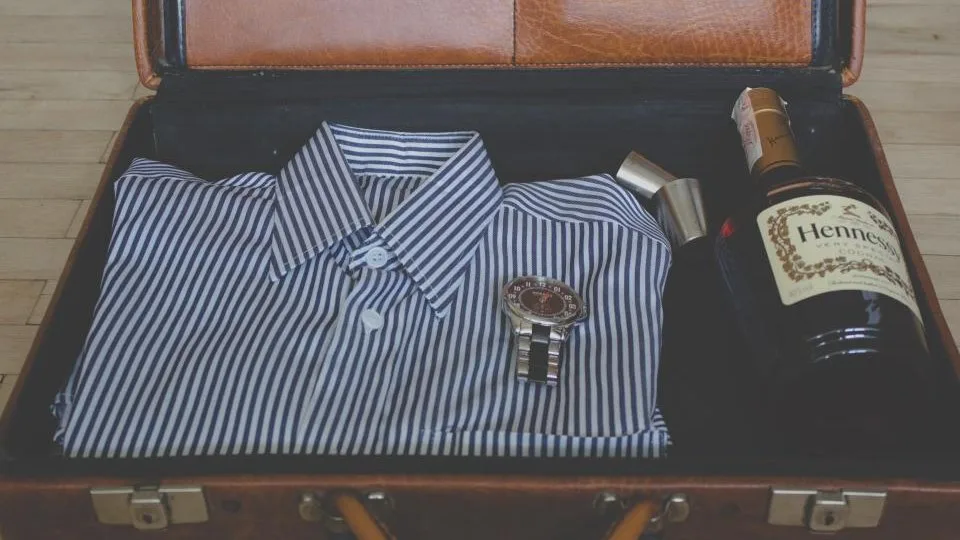
Rick Steves has been making the same argument for decades in Europe Through the Back Door, and the part that finally landed for us is how simple it is: you pack one carry-on. That is the whole rule. Not "pack light" as a vague ambition, but a hard limit you plan around.
The insight underneath it is the part people miss. The amount you need does not scale with how long you are gone. A week and three months take the same bag, because past about four days you are doing laundry either way. Once you accept that, the packing list collapses to something that genuinely fits, and every decision downstream gets easier.
We switched. It was not subtle. No bag drop, no baggage claim, no standing at a carousel watching other people's suitcases. You walk off the plane and you are simply gone. Stairs stop mattering. Cobblestones stop mattering. Changing hotels mid-trip stops being a production. You move through a train station instead of negotiating with it.
My wife was the holdout. She was not persuaded by the theory and she was not persuaded by me, which is fair enough. She came on one trip with her usual setup while the rest of us had one bag each, and watched us walk off a platform and up a street while she was still working out how to get two cases over a curb. That was the entire conversion. One trip. She has not gone back.
If you take one thing from the book, take that. It might be the single highest-value change you can make to how you travel.
I should add one thing here... young kids want to bring everything. When my kids were young (under 10), I took them to Sierra Trading Post, told them they could pick out any bag they could carry themselves, it would be the only bag they could bring, but they could put whatever they wanted in it as long as it fits. Both of them picked backpacks. We made sure they had 4 days worth of clothes and their toothbrushes, but whatever else was up to them. This process was exciting to them, and helped end the pile of luggage on the cart, as well as ending dad having to carry the bags for them.
The rest of the book is just as good
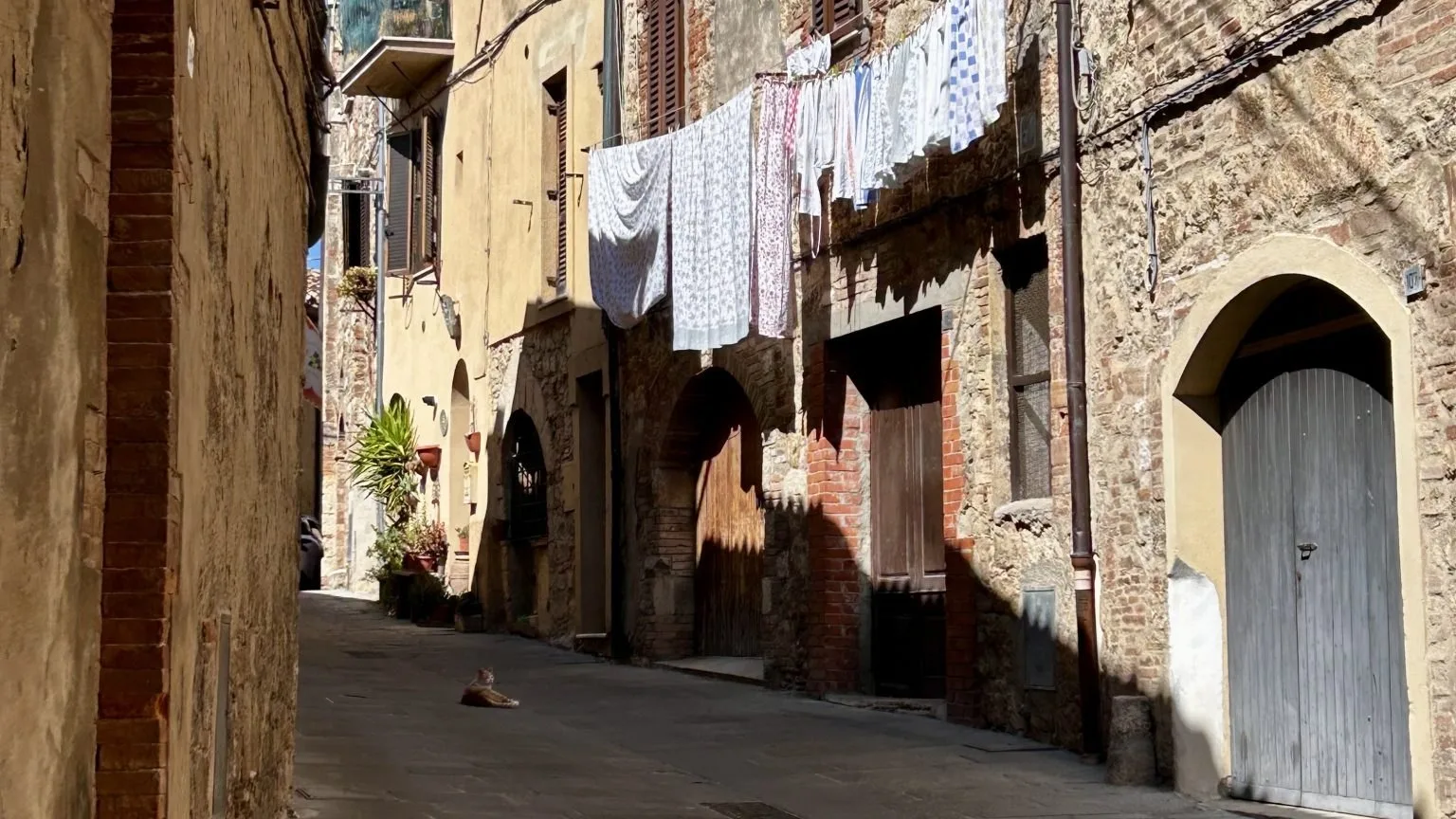
Packing is the headline, but it is not the point. The book is really about a whole posture toward travel, and the other ideas hold up just as well.
Go through the back door. The title is the thesis. Every famous place has a queue out front and a quieter version of the same experience around the side: the town one valley over, the church nobody photographs, the neighborhood where people actually live. You get more of the country and less of the crowd, usually for less money.
Be a temporary local, not a tourist. Eat where the menu is in one language. Shop where people buy their groceries. Take the tram. Stay in a flat instead of a hotel. It sounds like a slogan until you try it and realize the day was better and cheaper.
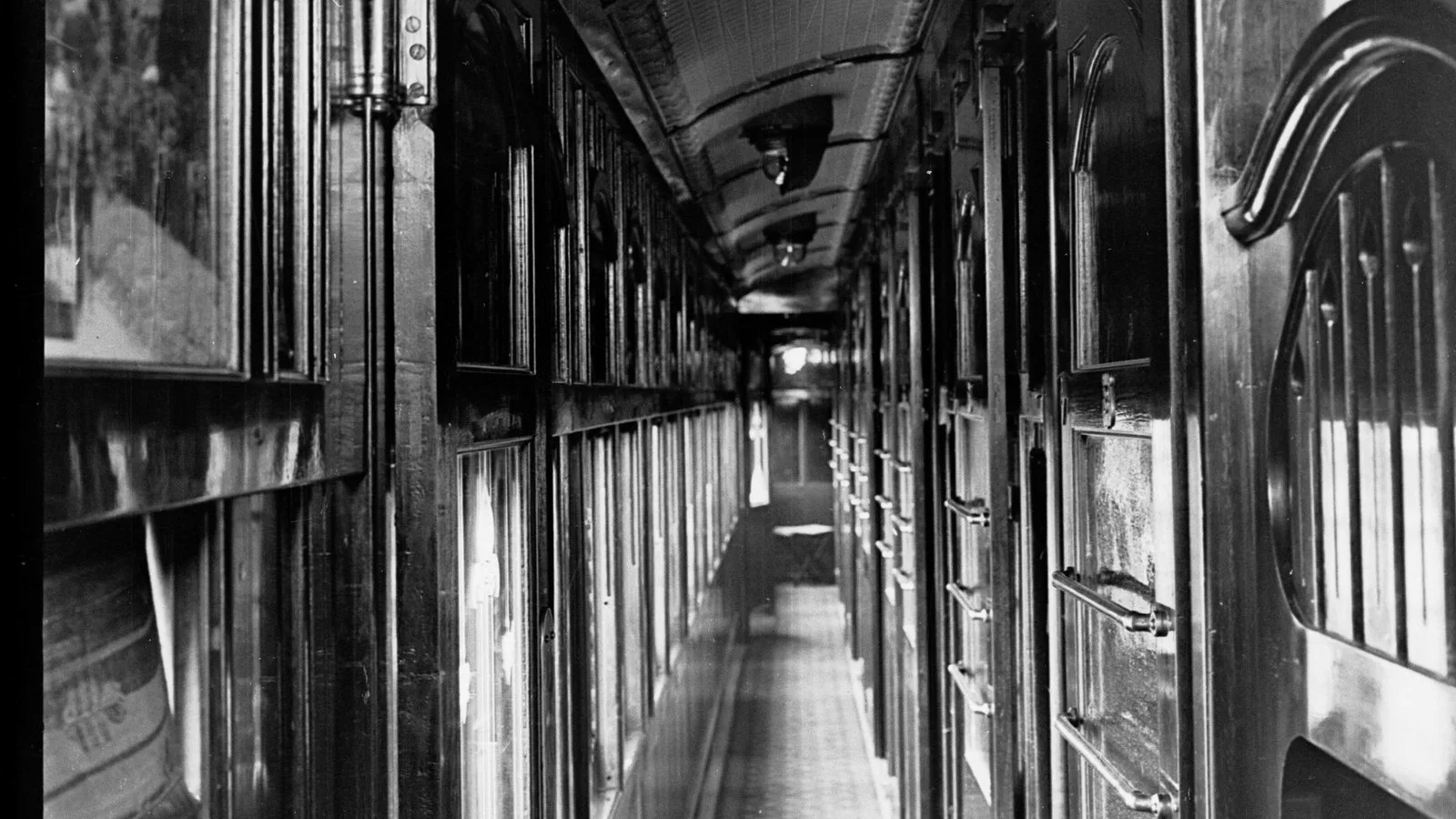
Trains, not planes, once you are there. City centre to city centre, no security theater, no airport at either end, and the window is part of the trip.
Sleep small. Family-run places over chains. You get someone at the desk who knows the town and will tell you where to eat.
Do less. The most common mistake is a schedule with no room in it. Fewer places, more days in each, time left over for the afternoon that turns out to be the one you remember.
Almost none of this is Europe-specific. I have used the same approach in Asia and it works exactly the same way. The book says Europe on the cover, but what it is really teaching is how to be good at travelling.
The country guides are the other half
Once you have the method, you want the local detail, and this is where the destination guides earn their place. There is one for most countries and a lot of individual cities.
They are absurd objects when you first pick one up. Some run close to 900 pages. But they are printed on paper so thin that the book still slips into a daypack, and the size is clearly designed by someone who has actually carried one around a city all day rather than admired it on a shelf.
The pattern that works for us: buy Europe Through the Back Door once, because the method carries over to every trip you will ever take, then buy the guide for wherever you are going. Two books. The first one you keep. The second one you can hand to the next person heading there.
A surprising amount of his stuff is free

ricksteves.com has more on it than most people realize, and none of the following costs anything:
- Audio Europe, a free app with around 60 self-guided walking and museum tours. It downloads to your phone and runs with no signal at all, which makes it genuinely useful the moment you land.
- Guidebook updates, so a book bought last year is not quietly wrong about opening hours.
- The travel forum, which is busy and specific, and often the fastest way to get a real answer about a real place.
- TV episodes and the radio show, both free to watch and listen.
- Classroom Europe, a library of several hundred short video clips.
- Packing lists and trip-planning guides, which are the practical companion to the book.
He also sells the books directly on that site, which is worth knowing if you would rather the money go to the people who wrote them.
No affiliation, no sponsorship
Rick Steves has not sponsored this post, does not know we wrote it, and has no relationship with LineCast of any kind. We are not paid to say any of this. We recommend the books because they changed how we travel and we think they will do the same for you.
The one thing the book cannot solve
Every method above assumes one thing: that your phone works when you land.
The audio tour needs to be on your phone. The train time needs looking up. The place you booked needs finding. And the moment you want to order dinner or call a car, the app wants to text you a code before it will do anything.
That last part is where most travelers get caught, and it is worth being specific about why. Plenty of travel eSIMs sell you data and stop there. Others hand you a VoIP number, which looks like a phone number right up until a rideshare or delivery app refuses to send a code to it. Carriers publish the line type behind every number and fraud systems read it, so the code never arrives and there is nothing to troubleshoot, because it was never sent.
That is the part we built LineCast around.
A real carrier-issued number, not VoIP, so verification codes actually arrive and drivers can ring you.
Both numbers live at once. Your home number stays reachable on the same phone. Nothing gets cancelled, nothing gets forwarded, nothing needs undoing when you get back.
Install it before you fly, on your own wifi, while you have time to read the screen. It takes about two minutes and a QR code.
It starts when you land, not when you buy. The clock begins the first time your phone finds a network at your destination, so buying weeks ahead costs you nothing. You walk off the plane already connected, before you reach passport control.
Holiday Europe 20GB is $20.51 for 31 days across 42 countries, with a real number, 30 minutes of calls and 200 texts. Holiday World is $31.31 and covers 248 destinations. Two weeks of Verizon TravelPass on one phone is $168.
Pack the one bag. Bring the book. Land already connected.
Pick your destination and see plans
If all you need is data, say so on the destination page and take the cheaper data-only plan. We would rather sell you the right one.